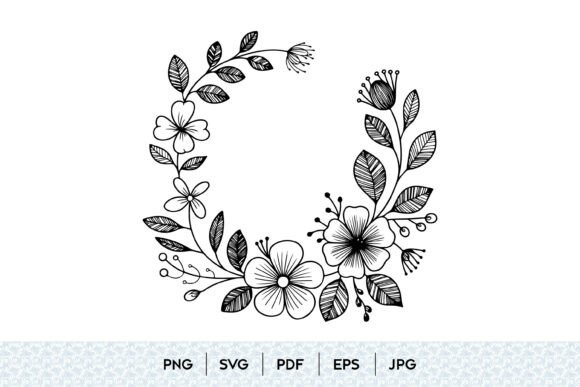
Floral Wreath Line Art: The Versatile Aesthetic for Modern Design
In the evolving landscape of visual communication, simplicity often carries the most weight. Floral Wreath Line Art has emerged as a dominant force in this shift, offering a timeless elegance that bridges the gap between traditional botanical illustration and modern digital minimalism. Unlike the heavy, saturated imagery of previous design eras, line art relies on contour, negative space, and rhythm to convey beauty. This style is not merely a decorative choice; it is a functional asset that adapts seamlessly to the diverse needs of today's creators, from independent entrepreneurs launching wedding brands to corporate marketers seeking a softer brand voice.
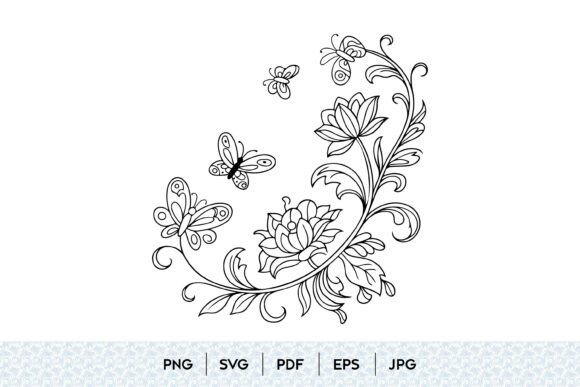
The appeal of a floral wreath or botanical frame lies in its structural integrity. It provides a boundary without confinement, guiding the eye inward while maintaining an airy, open feel. When executed as black line art or monochrome floral sketches, these designs become incredibly versatile, capable of sitting atop any color palette without clashing. For professionals working in branding, web design, or print media, the ability to integrate a floral circle that feels both organic and precise is invaluable. It speaks to a desire for authenticity and craftsmanship in a world increasingly dominated by synthetic, AI-generated textures.
The Evolution of Botanical Illustration in Digital Spaces
Botanical art has a rich history rooted in scientific documentation and romanticized nature studies. However, the transition from ink-on-paper to digital vector formats has fundamentally changed how we interact with these images. The modern iteration of Floral Wreath Line Art strips away the shading and textural complexity of traditional watercolors, focusing instead on the essential lines that define a flower outline or leaf illustration. This evolution mirrors broader lifestyle shifts towards minimalism and decluttering, both physically and digitally.
Today's audiences are inundated with visual noise. In response, there is a growing preference for minimalist floral designs that offer clarity and calm. A wreath illustration composed of clean lines cuts through the clutter of a busy webpage or a crowded social media feed. It acts as a visual anchor, providing structure to content while evoking the tranquility of nature. This shift is evident in the rise of the boho wreath trend, which combines the free-spirited energy of dried flowers with the precision of contour drawing, creating a look that is simultaneously rustic and refined.
Furthermore, the digitization of these assets has democratized access to high-quality design. What once required hours of hand-drawing can now be accessed instantly as an editable svg or vector file. This accessibility allows small business owners and hobbyists to produce professional-grade materials, leveling the playing field against larger agencies with massive budgets. The result is a marketplace flooded with elegant illustrations and nature artwork that maintains a human touch despite being digital in origin.
Technical Flexibility: Why Format Matters
One of the primary reasons Floral Wreath Line Art remains a staple in creative workflows is the variety of file formats available. A robust collection typically includes SVG, PNG, EPS, JPG, and PDF versions of the same design. Understanding the utility of each format is crucial for maximizing the potential of your floral decor projects.
- SVG (Scalable Vector Graphics): This is the gold standard for digital use. An editable svg ensures that your flower border remains crisp at any size, whether it is a tiny favicon or a massive billboard. Designers appreciate SVGs because they allow for easy recoloring and manipulation within software like Adobe Illustrator or Canva.
- PNG (Portable Network Graphics): Ideal for web use, PNGs support transparency. This makes them perfect for overlaying a decorative wreath onto photos or colored backgrounds without unsightly white boxes around the edges.
- EPS (Encapsulated PostScript): A legacy vector format still widely used in professional print production. If you are sending files to a commercial printer for a wedding wreath invitation suite, an EPS file guarantees the highest fidelity.
- JPG (Joint Photographic Experts Group): While less flexible than vectors, JPGs are universally compatible. They are useful for quick previews, social media posts, or embedding into documents where editing capabilities are not required.
- PDF (Portable Document Format): Perfect for printable wreath templates or client presentations. PDFs preserve the layout and quality of the line drawing regardless of the device used to view them.
This multi-format availability addresses the changing habits of modern creators who work across multiple platforms. A marketer might need a PNG for Instagram, an SVG for their website header, and a PDF for a printed brochure. Having all these variations of a botanical wreath ready to go streamlines the workflow, reducing friction and allowing for faster turnaround times on campaigns.
Practical Applications Across Industries
The versatility of Floral Wreath Line Art extends far beyond simple decoration. It serves specific functional roles across various sectors, adapting to the unique needs of different professionals.
Wedding and Event Planning: The wedding industry thrives on aesthetics. A vintage floral or rustic design wreath is a cornerstone of modern wedding stationery. Couples often seek feminine design elements that feel personal and handcrafted. Using a floral sketch as a watermark on invitations or as a frame for seating charts adds a layer of sophistication. The hand drawn flowers aesthetic suggests intimacy and care, qualities highly valued in wedding planning.
Brand Identity and Packaging: Brands in the wellness, skincare, and organic food sectors frequently utilize botanical art to signal natural ingredients and purity. A modern floral art logo or a flower clipart element on product packaging can instantly communicate a brand's ethos. The clean lines of black line art work exceptionally well on minimalist packaging, allowing the product itself to take center stage while the floral pattern provides subtle context.
Digital Content and Education: Educators and bloggers use nature frames to organize information visually. A floral arrangement surrounding a quote, a lesson plan, or a blog post header creates a cohesive visual identity. These elements help break up text-heavy content, making it more digestible and engaging for the reader. The aesthetic artwork of a blooming flower can also serve as a reward graphic in educational apps or online courses.
Interior Design and Home Decor: With the rise of remote work, home offices have become a priority. Printable floral prints derived from line drawings are popular for wall art. They add a touch of greenery to urban apartments without the maintenance of real plants. A large-scale decorative border can transform a plain wall into a focal point, blending garden flowers with contemporary interior styles.
Integrating Floral Elements into Modern Workflows
For the professional designer or business owner, integrating Floral Wreath Line Art into a project requires more than just dropping an image into a document. It involves understanding scale, balance, and context. Because line art is defined by its thin strokes, the resolution and stroke weight must be considered carefully. A delicate flower outline that looks beautiful on a screen may disappear when printed on dark cardstock if the line weight is too light.
When using editable svg files, designers have the freedom to adjust these parameters. You can thicken lines for bold statements or thin them out for a whisper-soft effect. This adaptability is key to maintaining consistency across different mediums. For instance, a botanical frame used on a mobile app icon needs to be simplified compared to the same design used on a full-page magazine spread.
Moreover, the color palette should be chosen with intention. While monochrome floral designs are inherently neutral, adding a single accent color—such as a soft sage green or a muted terracotta—can elevate the design from generic to bespoke. This approach aligns with current market preferences for customization. Clients and consumers alike want designs that feel tailored to their specific vision, and the flexibility of vector-based floral vector assets makes this possible.
The Future of Organic Design
As technology advances, the intersection of nature and digital design will only deepen. We are likely to see more dynamic uses of Floral Wreath Line Art, such as animated SVGs for websites where petals gently sway or blooming flowers appear upon scrolling. However, the core appeal will remain unchanged: the human connection to nature expressed through clean, thoughtful lines.
The demand for artistic wreath designs and floral ornament graphics shows no sign of waning. As long as people seek to bring beauty and order into their lives, these designs will serve as a vital tool. Whether you are creating a printable wreath for a personal project or developing a comprehensive brand identity, the strategic use of floral line art offers a sophisticated solution that resonates with contemporary sensibilities. By leveraging the right formats and understanding the nuances of this style, creators can produce work that is not only visually stunning but also deeply relevant to the modern world.