Reviving the Golden Age of Coastal Dining with Vintage Oyster Bar Art
In the rapidly evolving landscape of digital design and creative entrepreneurship, there is a persistent and powerful counter-movement toward authenticity. As consumers and creators alike grow weary of sterile, overly polished aesthetics, they are turning their gaze back to history for inspiration. At the forefront of this resurgence is Vintage Oyster Bar Art, a genre that captures the rugged elegance of early 20th-century seaside dining. This style is not merely a collection of images; it is a visual language that speaks to nostalgia, craftsmanship, and the enduring allure of coastal life.
For professionals, creators, and entrepreneurs looking to infuse their projects with character, understanding the mechanics and market appeal of this specific aesthetic is crucial. Whether you are designing physical signage for a new bistro, creating printable wall art for home decor, or crafting custom cutting boards for an Etsy shop, the principles behind this vintage style offer a robust framework for success.
The Anatomy of Authentic Coastal Charm
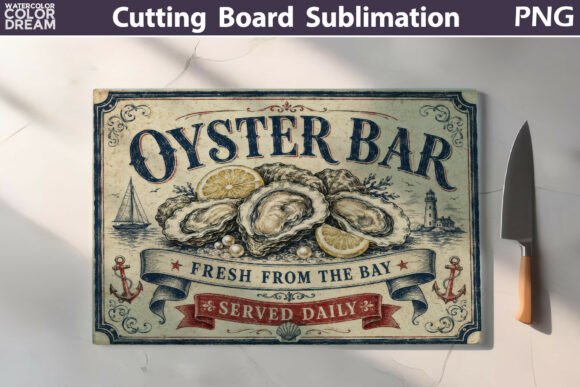
What exactly defines Vintage Oyster Bar Art? It is a composite style that draws heavily from the maritime signage of the 1920s through the 1950s. Unlike modern vector illustrations that often prioritize geometric perfection, this aesthetic embraces the imperfections of time. The design typically features a rich tapestry of elements: plump oysters resting on beds of ice, vibrant lemon slices cut in half to suggest freshness, and lustrous pearls that hint at the ocean's hidden treasures.
These organic elements are frequently juxtaposed with iconic nautical symbols. You will often find sturdy anchors, beacons of safety represented by lighthouses, and sailboats navigating calm waters. These motifs are not random; they serve as narrative devices that transport the viewer to a specific time and place—a bustling boardwalk or a quiet harbor at dusk.
The typography plays an equally vital role. Distressed lettering, often mimicking hand-painted wood signs, adds a layer of rustic retro seafood sign style that feels tactile even in a digital format. Decorative banners frame the composition, guiding the eye and adding a sense of occasion. When combined, these elements create a cohesive visual identity that feels both timeless and immediately recognizable.
Bridging the Gap Between AI Efficiency and Human Touch
The creation process for high-quality vintage assets has undergone a significant transformation in recent years. While traditional illustration required weeks of laborious sketching and painting, modern workflows leverage artificial intelligence to accelerate the ideation phase. However, the true value lies in the refinement process.
This specific artwork was created with the help of artificial intelligence to generate the initial complex composition, but it was then manually refined to ensure a polished final result. This hybrid approach is becoming the gold standard for professional creatives. AI can rapidly iterate on concepts like "distressed typography" or "nautical anchors," but human oversight is essential to correct anatomical errors in the oysters, balance the color palette, and ensure the distress effects look authentic rather than chaotic.
For the entrepreneur, this workflow offers a distinct advantage: speed without sacrificing quality. By utilizing a high-resolution PNG file (300 dpi, 3508x2480 px), designers have the flexibility to resize the design at their discretion to fit any creative project, from a small business card to a massive storefront banner, all while maintaining crisp edges and vibrant colors.
Market Trends: Why Consumers Crave the Rustic Retro Look
Why are people paying attention to Vintage Oyster Bar Art right now? The answer lies in the broader consumer shift toward "slow living" and experiential consumption. In a world dominated by fast food and digital interactions, the imagery of a classic oyster bar evokes a slower, more deliberate pace of life. It suggests fresh ingredients, community gathering, and a connection to nature.
This trend is particularly potent in the hospitality and retail sectors. Restaurants and cafes are increasingly using vintage-inspired branding to differentiate themselves from chain competitors. A well-designed seafood sign featuring a lighthouse and sailboat details does more than advertise menu items; it sets the mood before a customer even steps inside. It promises an experience rooted in tradition and quality.
Furthermore, the rise of the DIY and maker economy has fueled demand for high-quality digital assets. Enthusiasts who enjoy crafting handmade products need reliable, high-resolution graphics that they can adapt. The ability to print these designs onto cutting boards, t-shirts, or canvas allows individuals to participate in the coastal lifestyle trend personally. They are not just buying a product; they are curating a home environment that reflects their values of sustainability, heritage, and comfort.
Practical Applications for Modern Creators
The versatility of this artwork makes it an invaluable asset for a wide range of professionals. Here is how different sectors are leveraging this style:
- Interior Designers and Home Stagers: Coastal home accents are perennial favorites. Printable gifts and wall art featuring distressed typography and pearl details add instant character to kitchens, dining rooms, and beach houses without the cost of original paintings.
- Small Business Owners: For those running seafood markets, breweries, or boutique gift shops, this art serves as the backbone of their brand identity. Custom menus, window decals, and packaging labels benefit immensely from the rustic retro seafood sign style.
- Craft Entrepreneurs: Sublimation printers and laser engravers can utilize the high DPI resolution to produce durable goods. Imagine a wooden cutting board engraved with a classic coastal seafood charm design—it becomes a functional piece of art that appeals to the gourmet cook.
- Digital Marketers: Social media content requires visuals that stop the scroll. Images that evoke nostalgia and warmth perform exceptionally well on platforms like Instagram and Pinterest, driving engagement for brands associated with food, travel, and lifestyle.
Adapting to Changing Workflows and Expectations
The expectations of the modern client and consumer have shifted. There is a growing demand for assets that are not only visually striking but also technically flexible. The provision of a single, high-quality PNG file that can be resized at your discretion addresses the need for scalability. In the past, designers might have needed separate files for web and print. Today, a 300 dpi file ensures that the same asset works seamlessly across both mediums.
Moreover, the integration of AI tools into the creative pipeline represents a forward-looking adaptation to industry demands. Clients expect faster turnaround times without a drop in artistic integrity. By acknowledging that this artwork was created with the help of artificial intelligence and then manually refined, we transparently address the technology while emphasizing the human element that guarantees the final polish. This transparency builds trust with professional buyers who understand the nuances of modern production.
As we look toward the future, the fusion of vintage aesthetics with modern technology will likely continue to define successful design trends. The core emotional drivers—nostalgia, authenticity, and connection to nature—are unlikely to fade. Instead, they will evolve, supported by better tools and more sophisticated distribution channels.
Conclusion: Elevating Your Creative Projects
Incorporating Vintage Oyster Bar Art into your portfolio or business strategy is more than a stylistic choice; it is a strategic move to align with enduring consumer desires. Whether you are enhancing kitchen decor, launching a line of handmade products, or rebranding a coastal eatery, the power of this design lies in its ability to tell a story.
With its detailed rendering of oysters, lemon slices, pearls, and nautical anchors, combined with the warmth of distressed typography, this artwork provides a solid foundation for creativity. It invites you to explore the intersection of past and present, using advanced tools to craft experiences that feel deeply human. Thank you for visiting my shop and exploring how these classic coastal seafood charms can transform your next project. The ocean of opportunity is vast, and with the right design assets, you are ready to set sail.