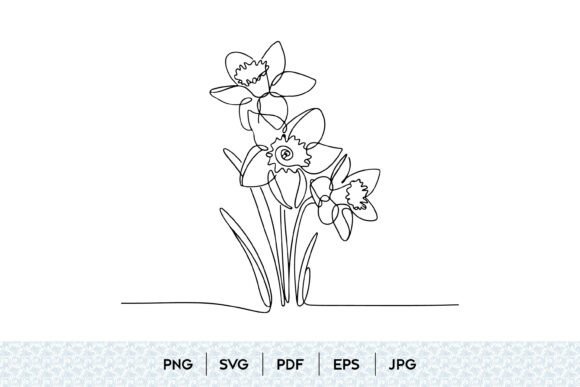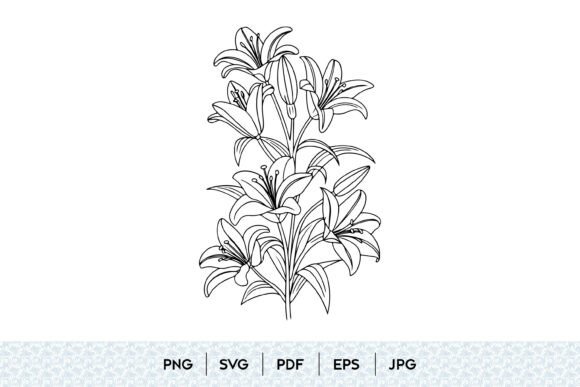
The Versatility of the Lily Flower SVG in Modern Digital Design
In the rapidly evolving landscape of digital creativity, the demand for high-quality, scalable vector graphics has never been more critical. Among the myriad of botanical subjects available, the Lily Flower SVG stands out as a particularly powerful asset for designers, crafters, and business owners alike. Unlike raster images that lose quality when resized, an SVG file maintains its crisp edges and intricate details regardless of scale. This characteristic makes the lily flower svg an indispensable tool for everything from large-scale wall decor to delicate tattoo designs. When you acquire a comprehensive package that includes formats like SVG, PNG, EPS, JPG, and PDF, you unlock a world of possibilities that transcends simple image usage.
Understanding the Technical Advantage of Vector Botanicals
The primary reason professionals gravitate toward a lily flower svg rather than standard JPEGs or PNGs lies in the underlying technology. Scalable Vector Graphics are constructed using mathematical equations to define lines, curves, and shapes. This means that a botanical flower vector representing a blooming lily can be enlarged to cover a billboard or shrunk to fit on a business card without any pixelation or blurring. For creators who need precision, such as those working on floral laser cut files or detailed botanical engraving style projects, this scalability is non-negotiable.
Furthermore, the versatility of the file formats included in a typical download—often encompassing EPS for professional print workflows and PNG for web use—ensures compatibility across various software environments. Whether you are utilizing Adobe Illustrator for complex artistic floral vector compositions or Cricut Design Space for a home crafting project, having the right format ensures a seamless workflow. The lily bouquet svg becomes not just an image, but a flexible component of a larger creative system.
The Aesthetic Appeal of Line Art and Outlines
Beyond technical specifications, the visual style of these assets plays a crucial role in their popularity. Many modern design trends favor the elegance of floral line art and elegant lily outline aesthetics. These styles strip away unnecessary color and shading to focus on the structural beauty of the flower. A black and white lily illustration, for instance, offers a timeless look that fits effortlessly into minimalist interiors, wedding invitations, and branding materials.
The hand drawn flower svg style adds a human touch that resonates with audiences seeking authenticity. Unlike the sterile perfection of some computer-generated imagery, hand-drawn vectors retain subtle imperfections and organic flow, making them ideal for floral printable artwork and botanical wall decor. When designing a lily stem illustration, the artist captures the natural curve and tension of the plant, creating a sense of movement even in a static image. This attention to detail transforms a simple graphic into a piece of elegant floral drawing that commands attention.
Practical Applications Across Industries
The utility of a lily flower clipart extends far beyond personal hobbies. It serves as a foundational element in diverse industries, each leveraging the unique properties of the vector format for specific outcomes. Understanding these applications helps users maximize the value of their digital downloads.
- Crafting and DIY Projects: For hobbyists using machines like Cricut or Silhouette, a cricut flower svg is essential. These files allow for precise cutting of vinyl, paper, and fabric. A flower cut file featuring a lily can be used to create custom stickers, iron-on transfers for t-shirts, or intricate scrapbook embellishments. The ability to separate layers in a detailed botanical svg allows crafters to create multi-colored, layered effects that mimic real flowers.
- Interior Design and Home Decor: The trend of modern botanical art has revolutionized home decor. Large-format prints derived from a garden bloom svg can serve as stunning focal points in living rooms and offices. Because the source is a vector, designers can create massive murals or wallpaper patterns without worrying about resolution loss. The floral contour drawing style works exceptionally well in monochromatic schemes, adding texture and interest without overwhelming a space.
- Textile and Fashion Design: In the fashion industry, repeat patterns are vital. A blooming lily vector can be manipulated to create seamless repeats for fabrics, scarves, and dresses. The clean lines of a botanical outline art ensure that the pattern remains sharp even when printed on fine silk or cotton. Additionally, these designs are perfect for embroidery digitization, where the path data of the SVG guides the needle placement.
- Tattoo and Body Art: Tattoo artists frequently rely on lily tattoo design templates. The clarity of a flower engraving illustration provides a clear guide for stencil creation. The intricate details found in a detailed lily drawing allow for highly customized pieces that age well on the skin. The ability to resize the nature inspired svg ensures it fits perfectly on various body parts, from a small wrist piece to a full back sleeve.
Enhancing Brand Identity with Floral Elements
For business owners and marketers, incorporating a decorative floral svg into brand identity can evoke specific emotions and values. The lily, often associated with purity, renewal, and elegance, is a potent symbol. Using a realistic flower svg or a stylized ornamental flower svg can help brands communicate sophistication and a connection to nature. This is particularly effective for businesses in the wellness, beauty, and eco-friendly sectors.
A floral craft design based on a lily can be adapted into logos, packaging, and social media graphics. The flexibility of the lily flower svg allows for easy color adjustments to match brand guidelines. Whether the goal is to create a feminine flower artwork for a bridal shop or a rugged, ink-style botanical engraving style for a craft brewery, the vector format provides the necessary adaptability. By integrating these elements consistently, businesses can build a cohesive visual language that resonates with their target audience.
Workflow Integration for Educators and Researchers
Educators and researchers also benefit significantly from high-quality botanical illustrations. In biology classrooms, a botanical illustration of a lily can be used to teach anatomy, labeling parts like petals, stamens, and pistils with precision. Since the file is editable, teachers can highlight specific structures or create interactive diagrams. Similarly, researchers publishing papers or presentations can utilize a flower line drawing to illustrate concepts clearly without the distraction of photographic noise.
The availability of multiple formats, including PDF and JPG, ensures that these assets can be easily embedded in lesson plans, academic journals, and digital archives. The nature line art style is particularly useful for educational materials where clarity and simplicity are paramount. By providing students with accurate, visually appealing representations, educators can enhance engagement and understanding of complex biological concepts.
Considerations for Selection and Usage
While the benefits of using a lily flower svg are extensive, selecting the right asset requires careful consideration. Not all vector files are created equal. Users should evaluate the complexity of the paths, the quality of the node placement, and the overall aesthetic alignment with their project goals. A blooming flower line art file with excessive nodes may cause issues during laser cutting or embroidery, leading to jagged edges or machine errors.
It is also important to verify the licensing terms associated with the download. While many floral digital download packages offer commercial rights, others may restrict usage to personal projects only. Ensuring compliance with licensing agreements protects both the creator and the user from legal complications. Additionally, checking if the file includes separated layers can save significant time during the editing process, allowing for easier customization of colors and components.
When working with printable floral design assets, color management is another key factor. Even though the base file might be black and white, converting it for print requires attention to CMYK color profiles to ensure accurate reproduction. For screen-based applications, RGB profiles are standard. Understanding these nuances ensures that the final output meets professional standards.
The Future of Botanical Digital Assets
As technology advances, the role of lily flower svg files in the creative ecosystem will continue to expand. The integration of augmented reality (AR) and 3D modeling tools suggests that these 2D vectors could soon serve as blueprints for immersive digital experiences. Imagine a garden flower svg that animates in a virtual showroom or a floral bouquet vector that users can manipulate in real-time within a mobile app.
The shift towards sustainability in design also favors vector graphics. Digital downloads eliminate the need for physical shipping and reduce waste associated with traditional stock photography or printed samples. By choosing a floral digital download, creators contribute to a more eco-friendly workflow while accessing a vast library of decorative lily clipart and botanical contour vector options.
Ultimately, the Lily Flower SVG represents more than just a picture of a flower; it is a versatile, scalable, and enduring tool for expression. Whether used to create a tattoo design, decorate a home, launch a brand, or educate a classroom, its impact is profound. By embracing the capabilities of vector technology, creators can push the boundaries of what is possible, turning simple outlines into masterpieces of elegant flower vector art. As the demand for personalized, high-quality visuals grows, the importance of these digital assets will only increase, cementing their place as a staple in the toolkit of every modern designer.