Cyclist Riding Mountain Bike with Dog Ru: A Guide to Choosing and Using the Perfect Silhouette
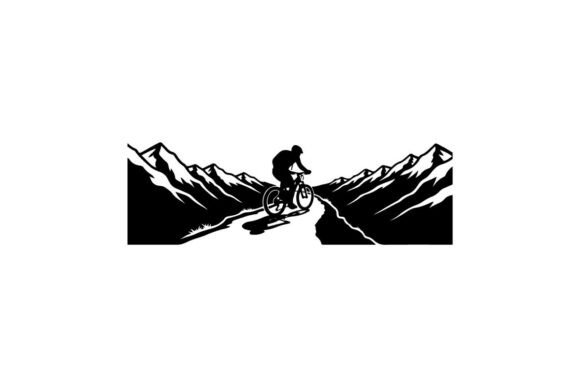
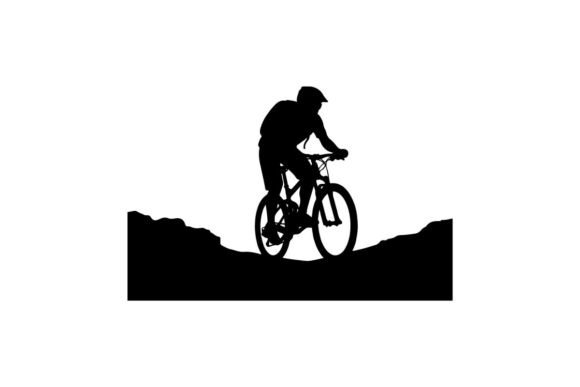
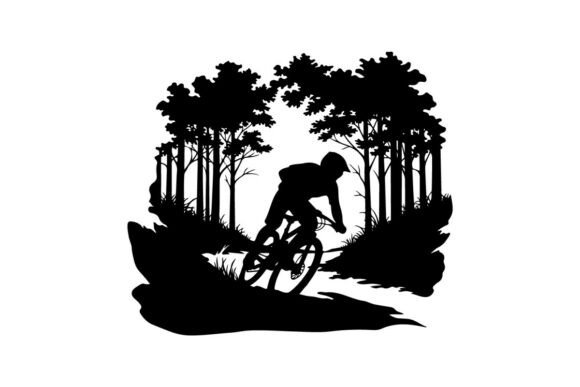
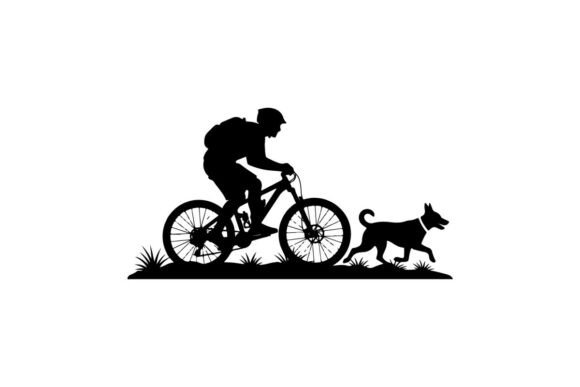
There is a distinct charm in capturing the bond between a human and their companion while conquering the outdoors. The image of a Cyclist Riding Mountain Bike with Dog Ru encapsulates adventure, loyalty, and the freedom of the trail in a single frame. For designers, marketers, and small business owners, this specific silhouette offers more than just a picture; it provides a versatile visual anchor for brands focused on outdoor lifestyle, pet products, or active wellness. However, finding a high-quality vector representation that balances artistic appeal with technical usability requires more than a quick search. Many creators stumble over file formats, resolution issues, or design rigidity, leading to projects that look unprofessional or fail to scale correctly.
When you select a premium vector silhouette like the one featuring Cyclist Riding Mountain Bike with Dog Ru, you are investing in the foundation of your creative output. The difference between a successful campaign and a frustrating design process often lies in the quality of the assets you choose at the very beginning. Let’s explore the common pitfalls in selecting this type of artwork and how to ensure your creative journey remains smooth and efficient.
Understanding the Value of a Clean Silhouette Design
The Cyclist Riding Mountain Bike with Dog Ru concept works so well because it relies on strong shapes rather than intricate details. In the world of graphic design, simplicity is often the ultimate sophistication. A clean silhouette removes the distraction of textures and complex shading, allowing the subject matter to speak clearly. This makes it an ideal choice for t-shirt printing, vinyl cutting, logo creation, and social media graphics where clarity is paramount.
However, not all silhouettes are created equal. A poorly constructed vector file might appear fine on a computer screen but fall apart when scaled up for a banner or cut on a machine. The value of a professionally designed clip art set lies in its structural integrity. When you choose a resource built with optimized vector paths, you ensure that every curve from the mountain bike tires to the outline of the dog remains crisp, regardless of the size. This scalability is non-negotiable for professionals who need to adapt a single asset across multiple mediums, from a small Instagram story to a large-format trade show display.
Common Mistakes When Selecting Vector Art
One of the most frequent errors beginners make is confusing raster images with true vector files. You might find a stunning photograph or a low-resolution JPEG of a cyclist and a dog, but these formats are fixed in pixel dimensions. If you stretch them too far, they become pixelated and blurry. To avoid this, always verify that the file format is a scalable vector, such as SVG, EPS, or AI. The Cyclist Riding Mountain Bike with Dog Ru clip art should be delivered in a format that allows you to resize it infinitely without losing a single point of detail.
Another overlooked issue is the complexity of the path data. Some free or budget clip art options come with thousands of unnecessary nodes and points. While this might seem like "more detail," it actually creates bloat. Over-complicated files can slow down your design software, cause headaches during the editing process, and lead to jagged edges when sent to a cutting machine. A streamlined design, like the one described in our premium collection, uses balanced shapes and minimal nodes to achieve a polished look. This efficiency ensures that your workflow remains fast and that the final output is precise.
The Trap of Generic Stock Imagery
Many creators settle for generic stock illustrations that lack character. A silhouette of a cyclist with a dog can easily look stiff or robotic if the posture isn't natural. When evaluating potential assets, look for dynamic movement. Does the dog look like it is running alongside the bike? Is the rider leaning into a turn? These subtle nuances bring life to the design. A static, flat image fails to communicate the energy of the activity. By choosing a piece with a modern silhouette style and timeless appeal, you ensure that the emotion of the scene translates effectively to your audience.
How Poor Choices Impact Your Projects
Using low-quality or incompatible vector art can have tangible negative effects on your business and reputation. Imagine spending hours designing a custom merchandise line, only to discover that the vector file distorts when printed on fabric. Or consider the frustration of sending a file to a sign shop, only to be told the lines are broken or the layers are merged incorrectly. These scenarios waste time, increase costs due to reprints, and delay project timelines.
Furthermore, a cluttered or messy design can undermine your brand's professionalism. If your logo or marketing material looks jagged or pixelated on a mobile device, customers may question the quality of your products or services. The presentation of your visual identity matters. A clean, flexible design structure ensures that your message is received clearly and that your brand appears trustworthy and established.
Practical Steps to Ensure Quality and Usability
To avoid these pitfalls, take a moment to inspect the technical specifications before downloading or purchasing any clip art. First, check the file format. Ensure it is a true vector file compatible with your preferred software, such as Adobe Illustrator, CorelDRAW, or even free tools like Inkscape. Second, examine the layer organization. A well-structured file will have grouped elements that are easy to separate and modify. This flexibility allows you to change colors, adjust the background, or isolate the dog or the bike for different applications.
Third, test the scalability. Open the file and zoom in to 500% or larger. Look for smooth curves and closed paths. There should be no gaps or stray points. If you plan to use the artwork for cutting machines like Cricut or Silhouette, perform a test cut on a small piece of material. Optimized vector paths will result in clean cuts without the need for excessive weeding or repair.
- Verify File Format: Always opt for SVG, EPS, or AI files for maximum versatility.
- Check Path Complexity: Look for streamlined designs with fewer nodes for better performance.
- Test Scalability: Zoom in deeply to ensure edges remain sharp and smooth.
- Review Layer Structure: Ensure elements are grouped logically for easy editing.
Maximizing the Potential of Your Design Assets
Once you have secured a high-quality version of the Cyclist Riding Mountain Bike with Dog Ru, the possibilities for application are vast. Because the design is built with a focus on quality and usability, it can serve as the centerpiece for unique branding elements. You might use it for a local cycling club's event posters, create custom patches for a dog-friendly hiking group, or design packaging for eco-friendly pet supplies. The modern aesthetic ensures that the image remains relevant across different trends and industries.
Remember that the best design decisions are those made with intention. By avoiding the trap of low-resolution imagery and prioritizing vector integrity, you empower yourself to create work that stands the test of time. Whether you are a freelancer crafting a client proposal or a hobbyist making gifts for friends, the right asset makes all the difference. Choose wisely, edit confidently, and let your creativity flow without the friction of technical limitations.