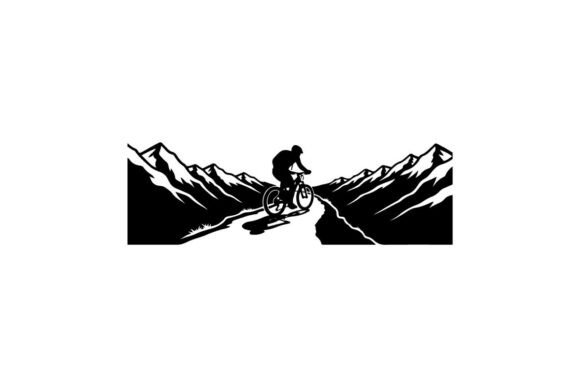
Cyclist Riding Through Dramatic Mountain: A Guide to Choosing the Right Silhouette
When you search for a Cyclist Riding Through Dramatic Mountain graphic, you are likely looking for more than just an image of a person on a bike. You are searching for a visual shorthand that communicates adventure, endurance, and the raw beauty of nature. This specific imagery has become a staple for outdoor brands, travel blogs, cycling event posters, and merchandise designs. However, finding a version that truly elevates your project rather than dragging it down requires a discerning eye. Many creators rush to download the first high-resolution file they find, only to discover later that the design lacks the necessary flexibility or professional polish.
The difference between a generic clip art and a premium vector silhouette often lies in the details that aren't immediately obvious at a thumbnail size. A well-crafted Cyclist Riding Through Dramatic Mountain asset offers clean outlines, balanced shapes, and a modern aesthetic that integrates seamlessly into various design concepts. Conversely, a poorly constructed file can ruin a brand's presentation, cause technical issues during production, and limit how you use the artwork in the future. Understanding what makes this specific type of clip art valuable—and where common pitfalls lie—can save you significant time and money.
The Trap of Low-Quality Raster Images
One of the most frequent mistakes designers and hobbyists make is confusing a high-resolution raster image (like a JPG or PNG) with a scalable vector file. While a large JPG might look sharp on a screen, it will pixelate instantly if you try to scale it up for a billboard, a t-shirt print, or a large banner. The Cyclist Riding Through Dramatic Mountain theme demands crisp edges because the subject relies on the contrast between the rider and the rugged terrain. If the mountain peaks or the cyclist's form blur when enlarged, the entire composition loses its impact.
This misunderstanding often leads to frustration during the printing phase. Imagine spending hours designing a custom jersey or a promotional poster, only to have the printer reject your file because the resolution is insufficient for the required output size. Or worse, you get the print, and the iconic mountain silhouette looks fuzzy and unprofessional. To avoid this, always verify that the file format is a true vector, such as SVG, EPS, or AI. These formats maintain smooth edges and crisp detail at any size, from a small social media icon to a massive stadium display.
Why Vector Structure Matters for Usability
Beyond just scaling, the structure of the vector paths determines how easy the file is to work with. A premium Cyclist Riding Through Dramatic Mountain silhouette should feature optimized paths that allow for smooth cutting in machines like Cricut or Silhouette Cameo, as well as precise editing in software like Adobe Illustrator or Inkscape. Cheap or free alternatives often contain thousands of unnecessary anchor points, creating "bloated" files that slow down your computer and cause errors during the cutting process.
If you plan to use this graphic for custom merchandise, such as vinyl decals for water bottles or heat-transfer prints for apparel, the path quality is critical. Complex, messy paths can result in jagged cuts or pieces falling apart during weeding. A streamlined design ensures reliable performance across popular design software and cutting machines, giving you confidence that your final product will match your vision perfectly.
Overlooking Versatility and Design Context
Another common oversight is selecting an image that is too specific or cluttered for the intended application. Some illustrations of a Cyclist Riding Through Dramatic Mountain include excessive background details, textures, or color gradients that make them difficult to isolate or adapt. While these elements might look great in a standalone illustration, they can be problematic when you need to place the silhouette over a busy photo, a solid color block, or a textured fabric.
A truly versatile clip art piece focuses on simplicity and strong silhouettes. It allows you to change the colors, adjust the opacity, or layer it with other elements without fighting against the original design. For example, if you are branding a new cycling club, you might want the cyclist and mountain in white against a dark blue background, or perhaps in gold foil on black packaging. A flexible, clean silhouette style accommodates these changes effortlessly. In contrast, a rigid, multi-layered illustration forces you to spend hours manually removing backgrounds or simplifying shapes, which defeats the purpose of buying a ready-made asset.
Matching the Aesthetic to Your Brand
It is also crucial to consider the "vibe" of the artwork. The Cyclist Riding Through Dramatic Mountain concept can range from hyper-realistic to abstract. For many modern brands, especially those targeting a younger demographic or focusing on minimalist aesthetics, a stylized silhouette is far more effective than a photorealistic rendering. The latter can sometimes feel dated or overly literal, whereas a clean, modern silhouette feels timeless and adaptable across different trends and industries.
Before making a decision, ask yourself: Does this image communicate the energy and spirit I want? Does it blend well with my existing logo and color palette? If the answer is no, the image is not right for your project, regardless of its technical specifications. A polished look without unnecessary complexity ensures that the artwork enhances your message rather than distracting from it.
Practical Steps for Evaluation and Selection
To ensure you are investing in a high-quality asset, follow these practical steps before downloading or purchasing:
- Check the File Format: Ensure the package includes editable vector files (SVG, EPS, AI). Avoid bundles that only offer PNGs unless you specifically need a quick web graphic and do not intend to scale it.
- Inspect the Paths: If possible, preview the file in a vector editor. Look for smooth curves and a logical arrangement of shapes. Avoid files with excessive nodes or overlapping paths that cannot be easily separated.
- Test Scalability: Zoom in significantly on the preview. The edges of the cyclist and the mountain should remain sharp and clean, not jagged or pixelated.
- Review Licensing: Confirm that the license covers your intended use. Whether you are creating personal crafts, selling physical products, or using the image for commercial marketing, understanding the terms prevents legal headaches later.
- Assess Simplicity: Choose a design that balances detail with clarity. The best silhouettes capture the essence of the scene—the motion of the rider and the majesty of the mountain—without getting lost in minor details.
By taking the time to evaluate these factors, you protect your creative workflow and ensure the highest quality results. A premium Cyclist Riding Through Dramatic Mountain silhouette is more than just a picture; it is a tool that empowers you to create professional, impactful designs efficiently. Whether you are crafting unique branding elements, producing eye-catching digital content, or building a line of custom merchandise, the right asset makes all the difference. Don't let a poor choice compromise your hard work. Invest in quality, versatility, and a design that stands the test of time.